
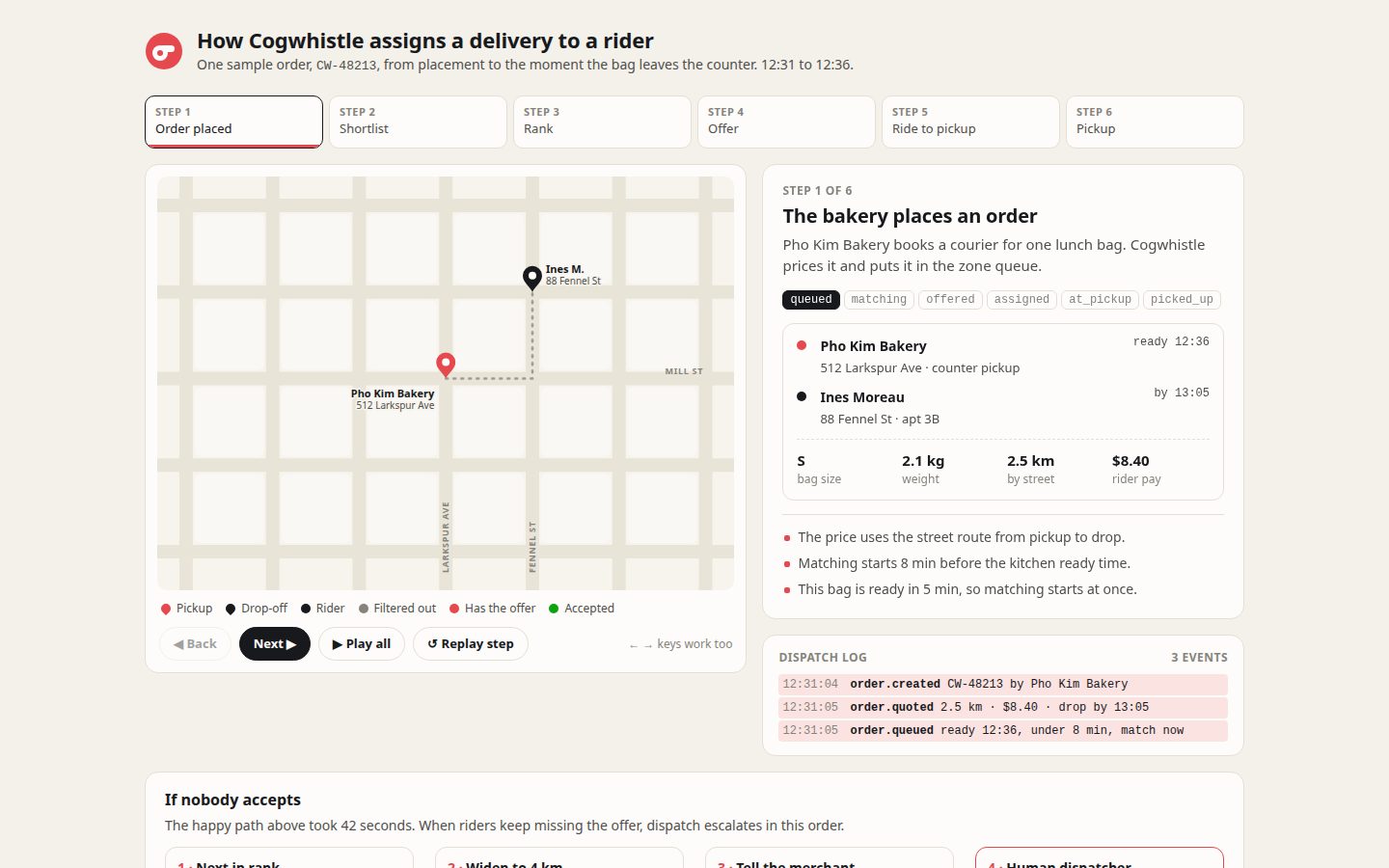

Help the user understand the current topic of conversation visually. Skip the preamble and keep prose brief. Pick the smallest view that makes the key point clear.
- Show logic or an algorithm as pseudocode:
on(save)
  if content is unchanged
    return cached result
  write new content
return fresh result- Show runtime control flow as a call tree:
submitForm
  createSession
    persistPrompt
    launchAgent
navigateToSession- Show UI structure as a component tree, including state and module boundaries that matter:
<SessionPage> (apps/example/src/routes/session.tsx)
  useSessionEvents()
  <SessionToolbar>
<RunSkillButton> (packages/ui)- Show file responsibility or a broad refactor as a shallow file tree:
src/
├── commands/       # parses user actions
├── sessions/       # owns session state
└── transport/ # sends API requests- Show component interaction, control flow, or data flow with Mermaid:
sequenceDiagram
    participant User
    participant UI
    participant Daemon
    User->>UI: choose command
    UI->>Daemon: send expanded prompt
Daemon-->>UI: stream result- Use
diffwhen the point is what changes and the surrounding shape already exists. Match the diff shape to the topic.
For a component change:
 <SessionPage>
   useSessionEvents()
   <SessionToolbar>
+    <RunSkillButton />
   <SessionTimeline>
+    <SkillResultCard />
For a file-layout change:
 src/
 ├── commands/
+│   └── show-me.ts       # expands the slash command
 ├── sessions/
-└── transport.ts
+└── transport/
+    ├── client.ts
+    └── stream.ts
For a call-tree or call-stack change:
 submitForm
   createSession
     persistPrompt
+    expandSkillMention
     launchAgent
-  navigateToSession
+  navigateToSession
+    subscribeToEvents
For a state or control-flow change:
 on(save)
-  write content
+  if content is unchanged
+    return cached result
+  write new content
+ invalidate cache- Show the whole block when most of it is new, when omitted context would hide ownership or order, or when the user needs a copyable target shape:
function expandSkill(command: string): string {
  const skillName = command.slice(1)
  return `use the ${skillName} skill`
}- For a visual UI, layout, state comparison, or concept too dense for Mermaid, write one focused HTML file — a diagram, an infographic, or a short slide deck, whichever fits the point. Match the product's colors, type, spacing, and components; use real labels and data; support desktop and mobile. Then open it for the user:
Bash(open path/to/show-me-{description}.html)guidance
Place each visual next to the short text it supports. Keep only the calls, files, props, states, and boundaries needed to answer the user's current question or the options to resolve the current discussion point.
You may use one of these, you may use several, it is unlikely you will use all of them. Use your judgement and don't overwhelm the user.